

What is an EICR? 9 Essential Areas To Know
Table of Contents
What Is an EICR? A Complete Guide to Electrical Installation Condition Reports
What Is an EICR?
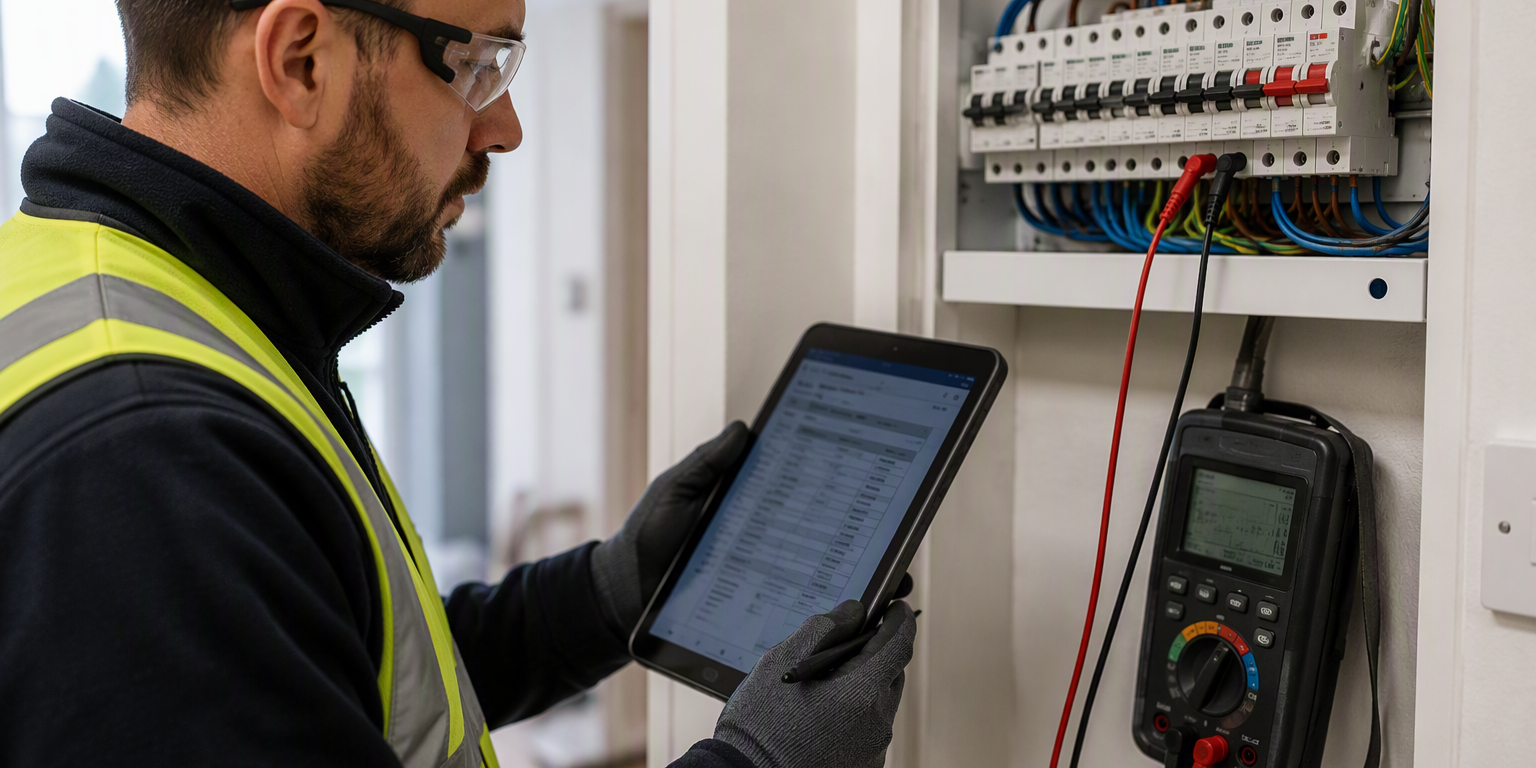
An EICR isn’t as complicated as it sounds. If you’ve ever seen an electrician opening electrical panels, testing sockets, switches, and circuits with specialist equipment, then you’ve probably seen an EICR in action. It’s something that many landlords, businesses and property owners need to arrange, but not everyone understands what it involves or why it’s so important. An EICR helps identify potential electrical hazards, ensures an installation is safe to use and highlights any issues that need attention before they become a risk.
What Does EICR Stand For?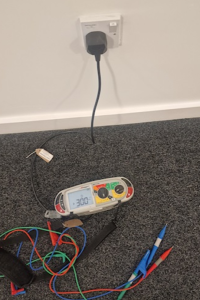
EICR (also known as Fixed Wire Testing) stands for Electrical Installation Condition Report. It’s a document produced after a qualified electrician inspects and tests the fixed electrical installation in a property – the wiring, consumer unit (fuse box), sockets, switches, and light fittings that are permanently connected to the building.
Unlike PAT testing, which checks portable appliances like kettles and laptops, an EICR looks at the electrical infrastructure of the building itself.
Why Is an EICR Important?
Over time, electrical installations degrade – wiring insulation perishes, connections loosen and older consumer units may no longer meet current safety standards. An EICR identifies:
- Defects that could cause electric shocks
- Fire risks from damaged or overloaded wiring
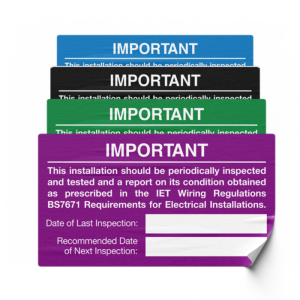
- Non-compliance with current wiring regulations (BS 7671)
- Areas that need further investigation or urgent repair
Without regular inspection, these issues can go unnoticed until something fails – which is exactly the scenario an EICR is designed to prevent.
Who Needs an EICR?
This is where it gets a bit more straightforward, because it depends on what kind of property you’re dealing with.
Homeowners
Homeowners are in a different position. There’s no law saying you have to get one, but it’s still a sensible thing to arrange, particularly if the property is older, you bought it without much history on the electrics, or you’re about to start renovation work and want to know what you’re dealing with first.
Landlords
If you’re a landlord letting out a property in England, you don’t really have a choice in the matter. Since 2020, an in-date EICR has been a legal requirement – meaning it needs renewing at least every five years, or potentially sooner if there’s a change of tenancy. This comes from the Electrical Safety Standards in the Private Rented Sector Regulations, and local councils do enforce it.
Businesses
For businesses, it’s a bit less clear-cut on paper, but the Electricity at Work Regulations effectively place a duty on employers to keep electrical systems safe – and in practice, most insurers will expect to see a valid EICR anyway.
How Often Do You Need an EICR?
There are some general guidelines which you must follow but you must take into account places with a higher-risk environment or an older installation may need more frequent checks.
Property Type |
Recommended Frequency |
| Rented residential (landlords) | Every 5 years (legal requirement) |
| Owner-occupied homes | Every 10 years |
| Commercial/industrial premises | Every 5 years (or per risk assessment) |
| Caravan parks | Every 3 years |
| Swimming pools | Every 1 year |
What actually happens during the inspection?
An electrician will come to your site and work through it methodically, checking the following:
- Visually inspect the consumer unit, wiring, sockets, and fittings
- Test circuits for continuity, insulation resistance, and earth fault loop impedance
- Check RCD (residual current device) protection is working correctly
- Identify any damage, wear, or non-compliant installation work
- Assign classification codes to anything found
Understanding EICR Classification Codes
Once the EICR has been completed and people receive the report, this is the area where people have the most questions. Every observation on an EICR is given a code:
- C1 – Danger present: Risk of injury. Requires immediate remedial action.
- C2 – Potentially dangerous: Urgent remedial action required.
- C3 – Improvement recommended: Not dangerous, but doesn’t meet current standards.
- FI – Further investigation: More work needed to determine if a fault exists.
An EICR with only C3 or no codes will be marked satisfactory. Any C1 or C2 codes result in an unsatisfactory report, which for landlords means remedial work must be carried out within 28 days (or sooner if C1).
Its worth being clear on one point here: the 28-day deadline for remedial work is a landlord-specific legal requirement, which has been set out in the Private Rented Sector regulations – it doesn’t apply as a formal rule to homeowners or businesses. That said, a C1 means there’s a danger present right now, so it needs sorting immediately whoever owns the property, not just when it’s a rental. A C2 doesn’t come with a legal countdown outside the rental sector either, but “urgent” is the operative word – it’s not something sensible to leave hanging around, particularly with insurance and general safety in mind.
What Happens If You Fail an EICR?
An unsatisfactory result isn’t the end of the world — it simply means remedial work is needed. Your electrician will provide a quote for the repairs and once completed, they’ll issue a Minor Electrical Installation Works Certificate or an updated EICR confirming the issues have been resolved.
For landlords, failing to act on an unsatisfactory EICR can result in local authority enforcement action and fines of up to £30,000.
Booking an EICR
An EICR should only ever be carried out by a qualified, registered electrician. Always check for:
- Registration with a competent person scheme
- Proof of qualifications (e.g. 18th Edition, 2391 inspection and testing)
- Public liability insurance
Summary
An EICR is a vital safety check for any property’s fixed electrical installation, legally required for landlords every 5 years and strongly recommended for homeowners and businesses. Getting one done regularly means problems get caught while they’re still minor, rather than turning into something far more serious — protecting people, property and (for landlords) keeping you on the right side of the law.
Do your commercial, industrial or retail sites need an EICR?
Get in touch!
Need More Information?
Are you unsure about whether you need a PAT Test or an EICR? Click one of the links below to find comparison between them or more a in-depth look into PAT Testing